

Poland Is No Longer Catching Up
For years, Poland was often seen as Europe’s manufacturing backup plan — a cheaper alternative for production, outsourcing, and logistics. But that perception is changing fast. Today, more and more economists, investors, and international media outlets are beginning to describe Poland as one of the most dynamic economies in Europe, especially at a time when many of the continent’s traditional powers are struggling with stagnation and slow growth.
While countries like Germany, France, and Italy continue to face structural economic problems, Poland has quietly built momentum through consistent growth, technological development, and a strong entrepreneurial culture. In many ways, it represents a different version of Europe — one that is still ambitious, adaptable, and willing to take risks.
What makes Poland stand out is not only economic performance but also mindset. Unlike some Western European economies that have become increasingly cautious and bureaucratic, Poland still has an atmosphere of expansion and opportunity. Younger generations are far more open to launching businesses, experimenting with new ideas, and building international companies. That energy has helped create a growing ecosystem of startups, digital services, software firms, and innovative manufacturing businesses.
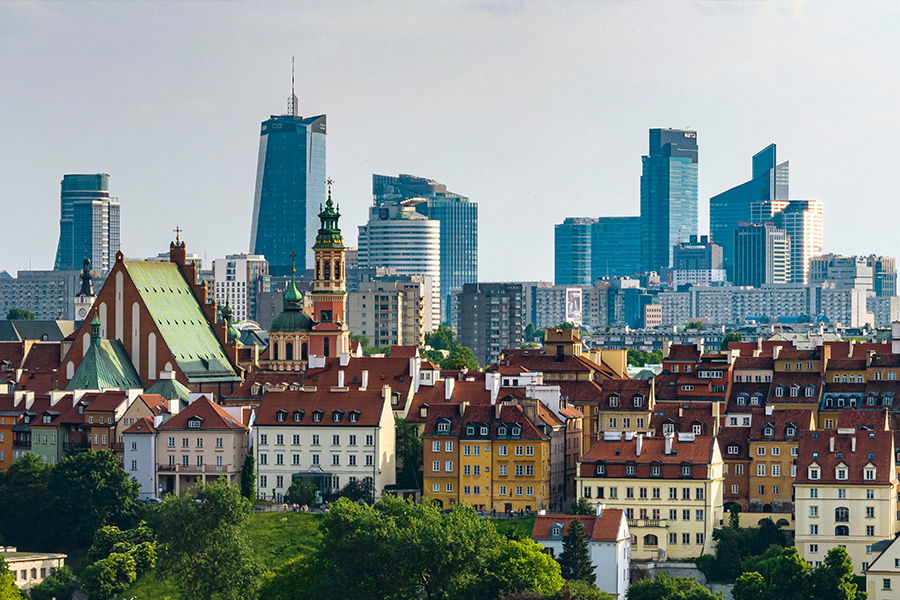
Cities like Warsaw, Poznań, and Gdańsk are no longer simply regional business hubs. They are becoming important centers for technology, IT services, finance, and modern industry. International companies continue investing heavily in Poland, but local businesses are also becoming more competitive globally, creating products and services that reach customers far beyond Central Europe.
What is especially interesting is that Poland’s success has developed during a period when Europe as a whole has often been criticized for lagging behind the United States and China in innovation and competitiveness. While many analysts focus on the weaknesses of the European economy, Poland has shown that growth inside the EU is still possible when countries are willing to modernize quickly and support entrepreneurship.
Of course, Poland still faces serious challenges, including demographic changes, rising costs, and global competition. But compared to some larger economies, it appears to be adapting faster and responding more effectively to changing economic realities. That flexibility may become one of its biggest advantages in the coming years.
The most surprising part for many observers is how quickly the country’s international image is evolving. Poland is no longer viewed only as an emerging market trying to catch up with Western Europe. Increasingly, it is being seen as an example of where Europe’s future growth could actually come from.
And perhaps that is the biggest shift happening today: Europe’s economic center of gravity may slowly be moving eastward.